Unsettled Ground
Thoughts on the Dakotas

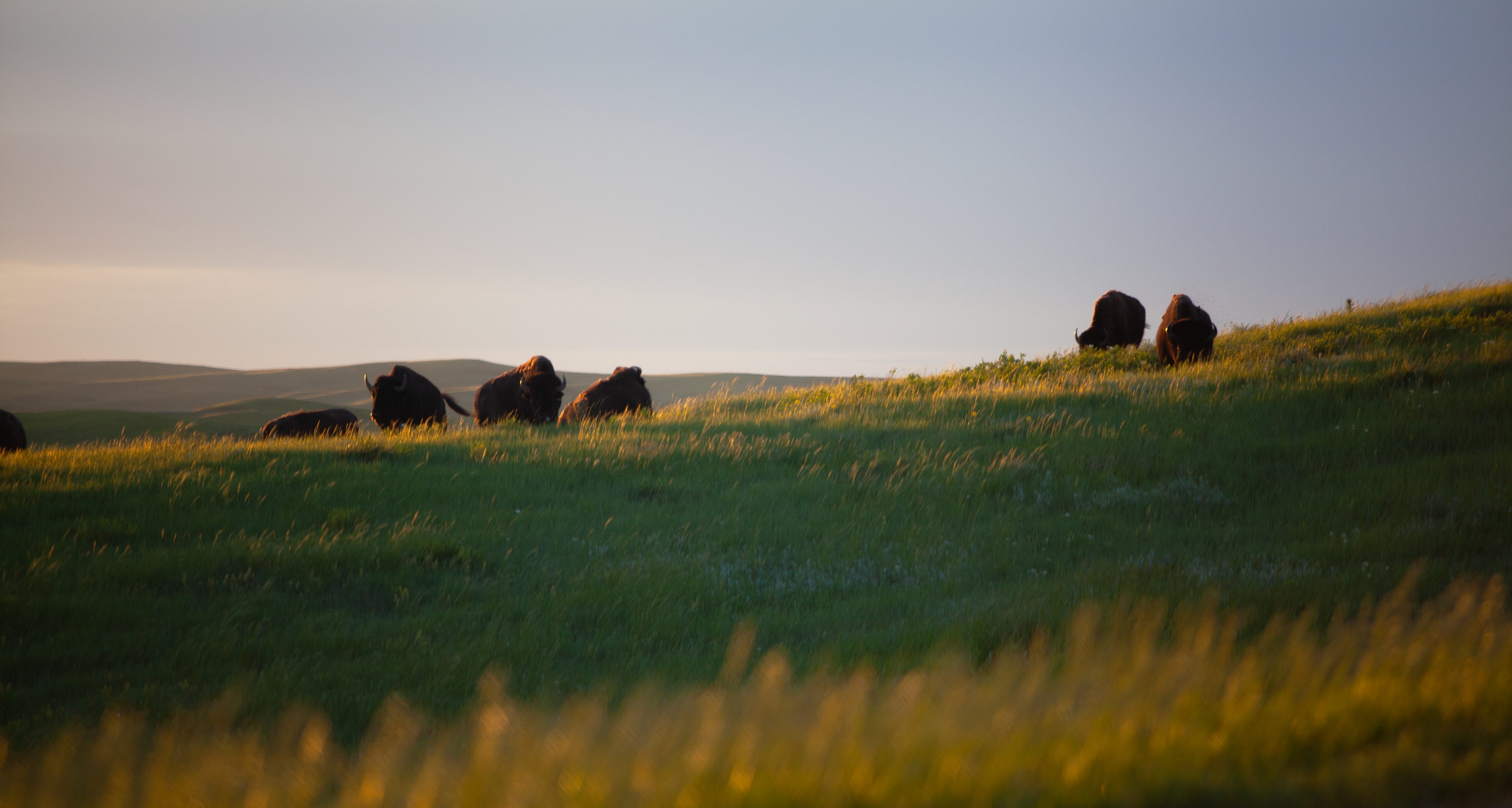
One dusk back in June 2022, while standing in the prairie, I heard the grass sing. No traffic hum. No city noise. No sounds of machines building or tearing down. As the sun set, a symphony of birds and insects filled the air. With so few trees, the sound didn’t drift down from above. The melody rose from the grass itself.
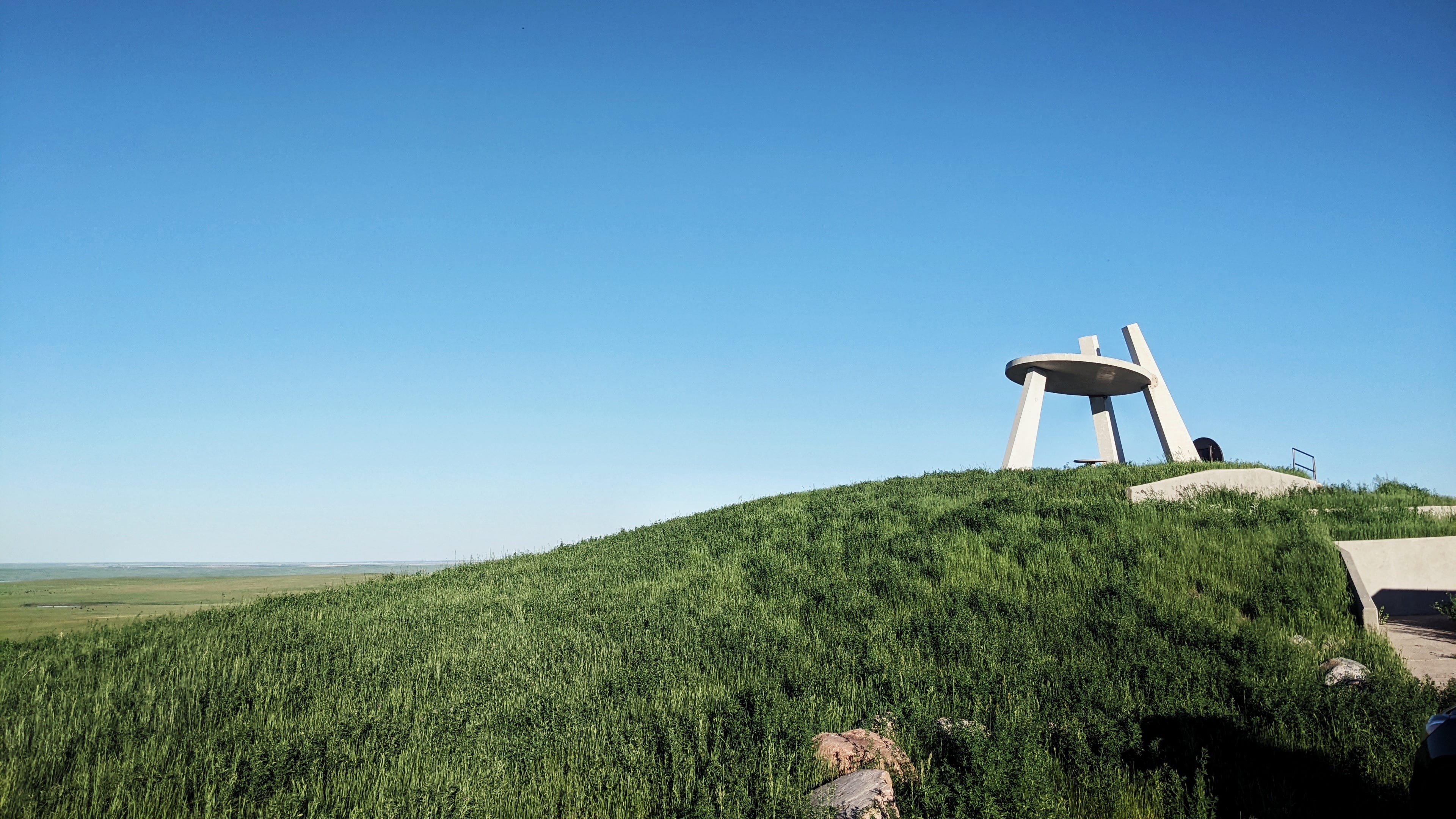
I was standing between the Sitting Bull and Sakakawea monuments at the eastern border of Íŋyaŋ Woslál Háŋ (Standing Rock Lakota Nation) across Lake Oahe from a town called Mobridge, South Dakota. It’s a place that feels like the punctuation at the end of many historical paragraphs. Out here, everything seems vast. The sky is big, the horizon endless. It feels as if there are miles of nothing between you and the edge of the planet.
And yet, as the sun goes down and the wind stills, the prairie becomes uncomfortably close. You are aware of your own breath, your own smallness. The grasslands can humble you. The Dakotas are like that, both big and small.
Long before the reservoirs and the monuments, this place was a land of ice. Immense ice, stacked toward the sky, moving across the land like slow rivers. Then the ice left and everything changed. As those frozen rivers shrank back, they carved out an ocean of grass. Beautiful. Treeless. New ecologies sprang up, and with them, an invitation to scores of nations and cultures.
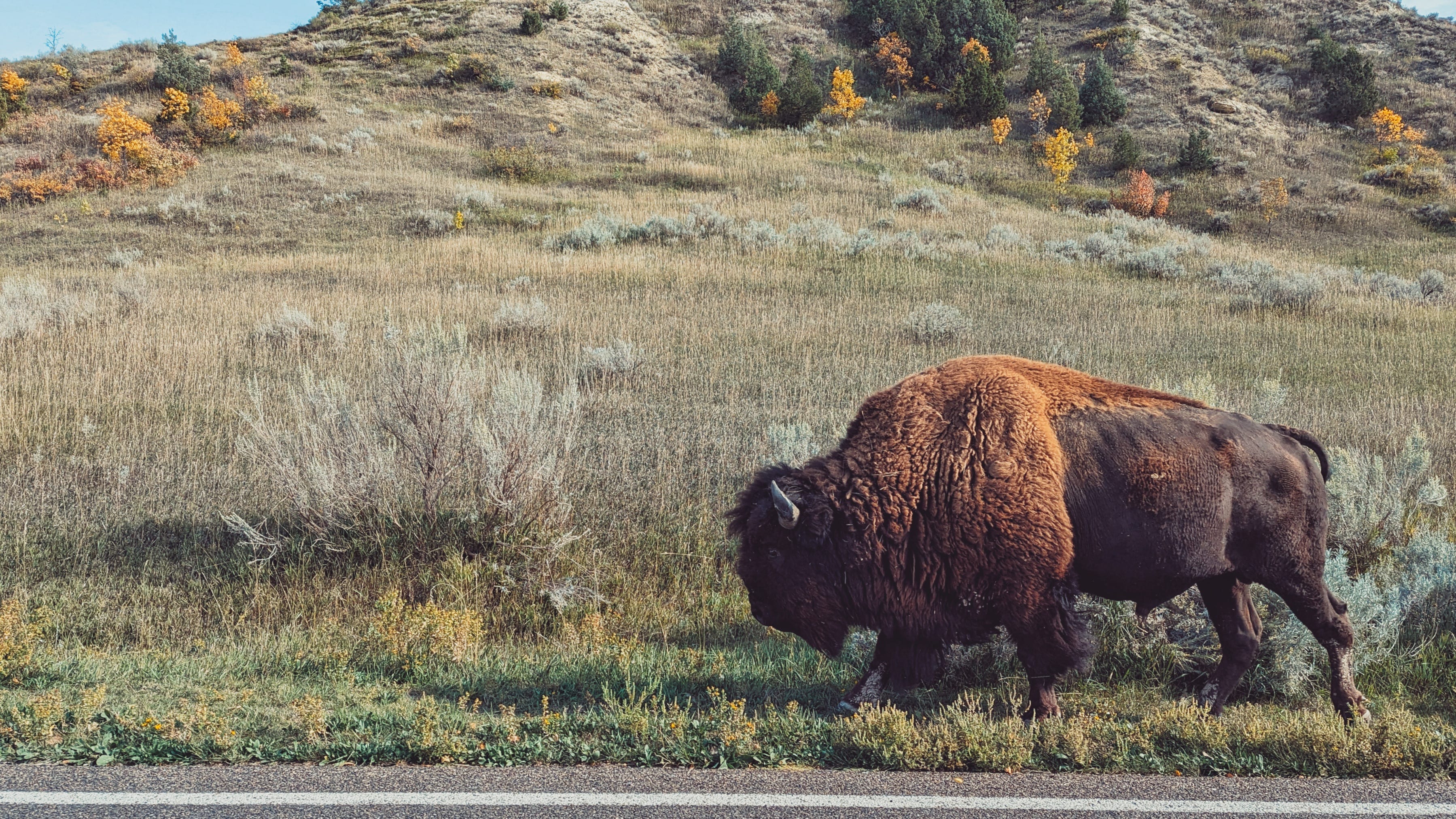
The first peoples of the Great Plains followed the seasons and the herds. The region functioned as a shared hunting ground between the nations along its margins. Necessity forced their hands; you don’t stay still in a place where winter can kill you and your next meal might be thirty miles away. In certain valleys and wooded margins, earth was shaped into mounds. Quiet markers where memory and ceremony took root.
Then the horse returned to the plains and everything changed again. One nation, the Lakȟóta Oyáte, became a plains power. Mounted. Mobile. Dominant. For a century or more, they controlled what would later be called the American West. They would eventually clash with another power expanding from the east: the United States. In that collision, the Lakota world fractured. A new duality settled over the Great Plains, that of Indigenous and colonizer. What came after that great war was broken treaties and borders that didn’t match memory.
The plains were never Manhattan or San Francisco. Capital didn’t rush to a place this remote, where water is scarce and winters are still brutal. Still, some tried. The towns that initially bloomed eventually thinned. What survived was modest, practical, and a little stubborn.
Ranching remains common among settler and Native alike. Rodeos are regular. It feels like everyone can rope and ride. Everyone knows everyone. Friendliness is practical here.
But, the tension never quite left.
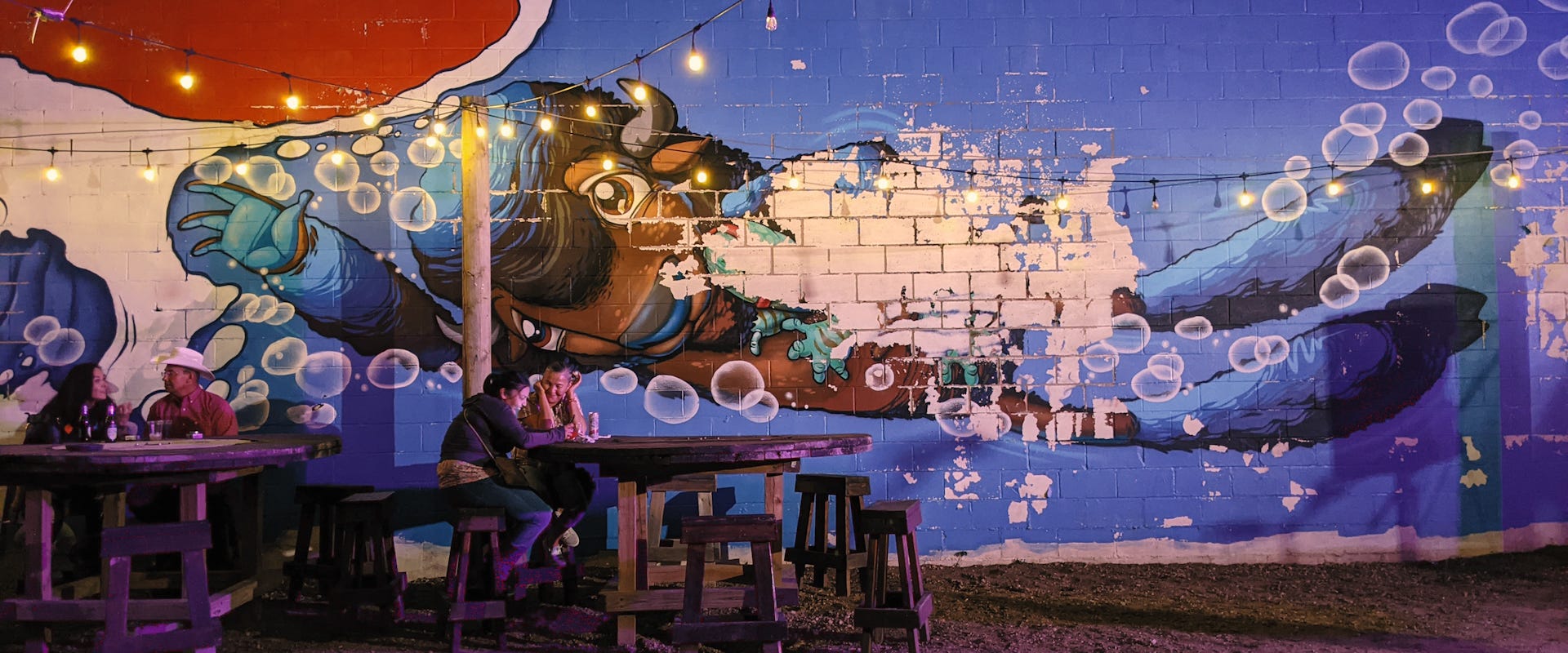
Oil companies arrived in recent decades, pulling wealth from the ground, perhaps the first real money the Dakotas have ever seen. That wealth does not distribute evenly, however, falling along previously established division. That divide also shows up in politics, in food, in where people live, in how often they cross a river or drive through a neighboring town.
Nowhere is this more visible than in the Black Hills.
For the Lakota, the Black Hills are a sacred center — a birthplace and spiritual foundation. The United States once guaranteed the Hills by treaty, but gold was discovered there. Promises changed. Within a generation of the massacre at Wounded Knee, the faces of four American presidents were carved into the granite. Mount Rushmore. It is hard to imagine a clearer declaration of who won.
The federal government has since offered billions of dollars in compensation for the Black Hills. The Lakota have refused the money. Some things aren’t for sale.
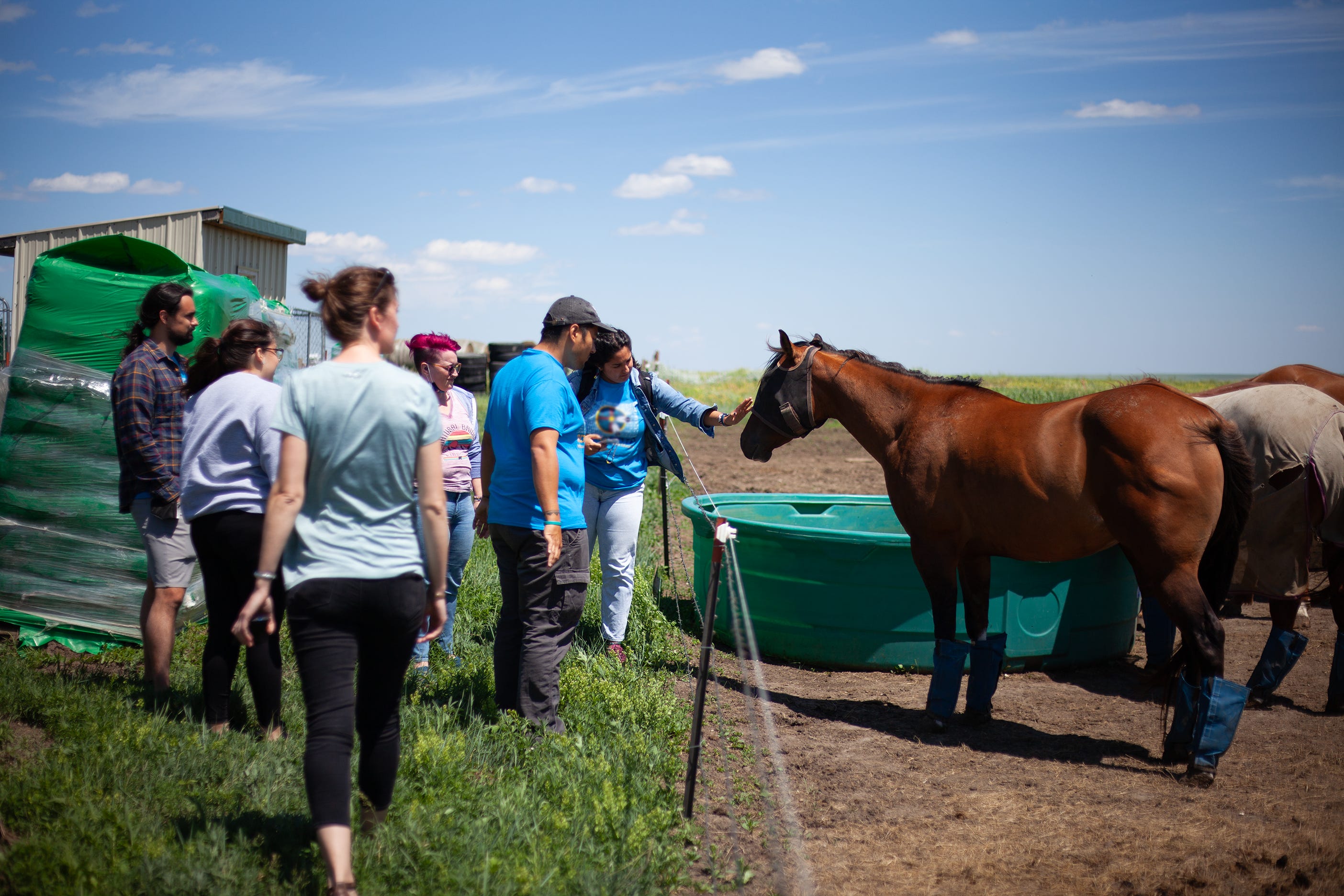
What happens next remains an open question. The legal ground shifts constantly between tribal sovereignty and federal authority. Year by year, the various Lakota shatterzone nations re-knit the spirit of their once expansive country. Climate change adds another layer of uncertainty, with polar vortexes and winters that swing wildly. Snow levels have fallen in recent years, and deep winter cold has swept farther south, reminding the plains of an older time. But still, people do what they can.
In Wakpá Wašté Lakȟóta Oyáte (Cheyenne River Lakota Nation), the people have built a scenic picnic pavilion on the crest of a prominent butte, right on the Native American Scenic Byway. It is unclear whether the pavilion is meant for tourists or for Lakota families themselves. Either way, the view is unparalleled. The plains unfurl endlessly beneath you.
One October morning, leaving Eagle Butte, I watched the sun ignite the grasslands. Orange light fell onto yellowing grass and, for a while, the whole of the plains seemed on fire. Another vastness made intimate.
Out here, everything is immense. And, somehow, everything is personal. The vastness of the Dakotas exists in tandem with how few people live here and how closely they are interconnected. In a place like this, division is felt as intimately as birdsong rising from the grass.